FiGee Fine Goods is the official importer and distributor in Switzerland of premium spirits and wine from around the world. We specialize in artisanal, exclusive, limited edition, rarities and independent bottlers.
Château Léoville Barton 2019 is a Saint-Julien Deuxième Cru Classé built on 84% Cabernet Sauvignon and 16% Merlot. The high Cabernet share gives the vintage its architecture, controlled power and long-haul Barton identity. It is a bottle for patience rather than quick reward.
WINEMAKING: ageing lasted 16 months in French oak, around 60% new. The élevage supports the wine’s structure without pushing it away from Saint-Julien clarity; this is a long-haul claret rather than an early-drinking Bordeaux.
FOOD PAIRING: decant well in youth and serve with roast beef, lamb saddle, venison, duck with olives, cèpes or aged hard cheese. The balance is stern in youth and built for measured development — its best years are ahead.
Moulin de Cadet 2019 Magnum is the 1.5-litre format of the estate’s Saint-Émilion Grand Cru Classé, made from 100% Merlot grown on the limestone plateau. The larger bottle slows evolution and gives this small-production wine a calmer ageing curve.
WINEMAKING: the wine follows the same work as the standard bottle: parcel selection, organic and biodynamic viticulture, and 12 to 18 months in French oak with around half new barrels. The point of Magnum is preservation, not a different cuvée.
FOOD PAIRING: open for a table rather than a single glass. Duck confit, roast veal, beef fillet, mushroom dishes and mature cheese are the natural register, especially when the bottle has had time in the cellar.
Ruzard Rosière 2020 is a Jura red from Trousseau, drawn from two Aviet parcels around Arbois. It is light in colour, aromatic and dry, with red fruit, pepper and a savoury, mountain-fresh line.
WINEMAKING: fermentation uses native yeasts in old wooden vats, with gentle extraction to protect perfume and shape. Ageing takes place for twelve months in old foudres, keeping oak in the background and preserving a pale, precise structure.
FOOD PAIRING: serve slightly cool, at 14 to 15 °C. It suits roast poultry, veal, charcuterie, mushrooms and aged Comté. Its fine tannins and bright acidity also work well with regional dishes made with cream, morels or smoked sausage.
Château Pontet-Canet 2019 is a Pauillac blend of 65% Cabernet Sauvignon, 30% Merlot, 3% Cabernet Franc and 2% Petit Verdot. The vintage is less about raw mass than composure: a structured year with freshness, graphite line and firm Cabernet detail.
ÉLEVAGE: ageing lasted 16 to 18 months before bottling, without fining or filtration. Oak, amphora and concrete each play a role, but the 2019 reads first as Pauillac fruit and gravel structure rather than cellar technique.
FOOD PAIRING: decant young bottles for two hours. It belongs with rib of beef, lamb, venison, porcini, black truffle or aged Comté, and has the frame for a long cellar life. The balance is deliberately classical, with no need to force early service.
Mille Roses 2019 Magnum is the large-format release of the estate’s organic Margaux AOC, made from 55% Cabernet Sauvignon and 45% Merlot. The larger bottle gives this modest-production wine more time and steadier development than the standard format — and at this scale of production, the magnum is the collector's format.
WINEMAKING: the wine follows the same cellar work as the standard bottling: stainless-steel fermentation, three to five weeks of maceration, 12 months in French oak barriques with one third new wood, and malolactic fermentation in barrel.
FOOD PAIRING: open for a shared meal and decant briefly. Duck breast, veal, beef, mushroom dishes and mature cheeses work well, especially after a few years of bottle age.
Château Mille Roses 2019 is an organic Margaux AOC from 55% Cabernet Sauvignon and 45% Merlot. It is a small-estate wine with clear red and black fruit, supple tannins and a fresh frame rather than a heavy grand château style. The 2019 vintage gives an accessible, polished Margaux expression for drinking from 2026 to 2030.
WINEMAKING: stainless-steel fermentation with a maceration of three to five weeks, followed by 12 months in French oak barriques, one third new. Malolactic fermentation was carried out in barrel for roundness and integration.
FOOD PAIRING: serve after a short decant. Duck breast, grilled veal, entrecôte, roast vegetables, mushroom risotto and semi-hard cheeses fit the wine's supple frame.
Château Durfort-Vivens 2019 is built from 90% Cabernet Sauvignon and 10% Merlot. It favours lift, floral detail and firm graphite-like tannins over weight, with cherry, tobacco, liquorice and plum carried by a fresh saline line.
WINEMAKING: aged 18 months in 70% French oak barrels and 30% terracotta amphora, preserving fruit clarity while adding structure.
FOOD PAIRING: decant and serve in a Bordeaux glass. Lamb rack, veal with morels, mushroom tart or aged sheep's cheese fit the wine's Cabernet frame.
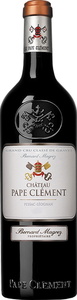
Pape-Clément 2019 Magnum is the large-format release of the château’s Pessac-Léognan Cru Classé de Graves. The blend is the same as the standard bottle: 54% Merlot, 44% Cabernet Sauvignon, 1.5% Petit Verdot and 0.5% Cabernet Franc.
WINEMAKING: ageing lasted 18 months, with 90% in French oak barrels and 10% in wooden foudres. Magnum format slows oxygen exchange and gives this structured Graves wine a longer, steadier path in the cellar.
FOOD PAIRING: decant before serving at the table. Roast beef, lamb shoulder, venison, truffled poultry and aged hard cheeses suit the scale of the bottle and the firm Pessac-Léognan frame.
The 2019 is a Pessac-Léognan Cru Classé de Graves from 54% Merlot, 44% Cabernet Sauvignon, 1.5% Petit Verdot and 0.5% Cabernet Franc — drawn from the best part of the harvest and carrying the darker, more polished side of the appellation.
WINEMAKING: the wine was aged for 18 months, with 90% in French oak barrels and 10% in wooden foudres. That combination gives the vintage structure and breadth while avoiding a purely barrel-driven reading of the fruit.
FOOD PAIRING: decant for two hours when young and serve in a large Bordeaux glass. Rib of beef, lamb shoulder, venison, truffled poultry and aged hard cheeses match its density and Graves frame.
Chateau Clinet 2019 is a Pomerol red wine from Bordeaux, shaped by ripe Merlot fruit, polished tannins and the depth of a warm, balanced vintage.
WINEMAKING: the wine is blended from 80% Merlot and 20% Cabernet Sauvignon, aged 16-20 months in French oak, of which 75% are new casks. Oak ageing supports the dark fruit, cedar and spice while keeping the Pomerol profile clear.
FOOD PAIRING: serve in a Bordeaux glass with beef fillet, duck breast, lamb, mushroom dishes or mature hard cheese. Drink now with decanting or cellar 15 to 25 years.
Château Moulin de Cadet 2019 is a Saint-Émilion Grand Cru Classé from 100% Merlot grown on the limestone plateau. The vintage gives the estate’s small scale a clear voice: dark fruit, fine tannin and a compact, polished frame without excess weight.
WINEMAKING: the wine was aged for 12 to 18 months in French oak, around half new, after parcel selection from this tiny vineyard. The organic and biodynamic work matters here because the wine is built less on volume than on precision and texture.
FOOD PAIRING: serve in a Bordeaux glass after a short decant. It works well with duck confit, veal chop, roast chicken with mushrooms, lentils with smoked bacon or a firm, mature cheese.
Clos Fourtet 2019 is a Saint-Émilion Premier Grand Cru Classé B from 90% Merlot, 7% Cabernet Sauvignon and 3% Cabernet Franc. The estate’s technical sheet records harvest from 24 September to 10 October and a wine shaped by deep colour, freshness and chalky structure.
WINEMAKING: whole, uncrushed berries were fermented in small temperature-controlled stainless-steel vats, with extraction by manual pigeage. Ageing ran for 14 to 18 months: 50% new French oak, 48% one-year barrels and 2% terracotta amphora, adding precision without turning the wine into an oak exercise.
FOOD PAIRING: decant young bottles for around two hours and serve slightly cool in a large Bordeaux glass. Roast lamb, beef rib, duck breast, mushroom-rich dishes and aged Comté all suit the wine’s depth and controlled finish.